 Skip to content
The Ultimate Guide to Chinese Massage: Tui Na and the Balance of Qi
What is a Chinese Massage?
A Chinese Massage, most famously known as Tui Na (which literally translates to “push and grasp”), is one of the oldest and most sophisticated forms of manual therapy in existence. Unlike Western approaches that primarily target muscle relaxation, this ancient bodywork is a cornerstone of Traditional Chinese Medicine (TCM). It is designed not just to soothe the muscles, but to treat the entire human system by balancing the flow of Qi (vital energy).
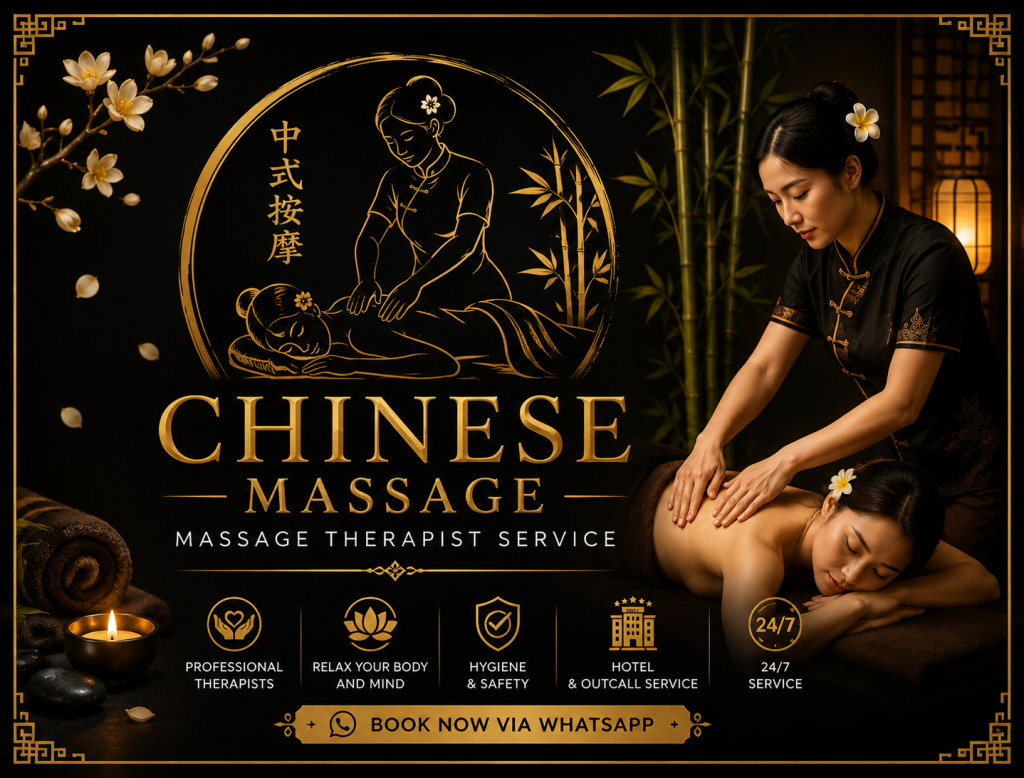
The philosophy behind this therapeutic modality is rooted in the concept of Yin and Yang—the balance of opposing forces. According to TCM, health is the result of the harmonious flow of energy through a network of pathways called meridians. When these pathways become blocked or stagnant due to stress, trauma, or illness, the body experiences pain and dysfunction. A Chinese Massage acts as a catalyst to remove these blockages, ensuring that energy and blood circulate freely to every organ and tissue.
From a clinical perspective, this somatic treatment is highly effective for its ability to regulate the nervous system. By applying specific pressure to acupuncture points without the use of needles, the therapist stimulates the body’s innate healing response. This process increases blood circulation, reduces inflammation, and helps the body eliminate metabolic waste. You can explore more about the integrated approach of Traditional Chinese Medicine through the National Center for Complementary and Integrative Health.
Psychologically, this healing practice is designed to clear mental stagnation. By releasing physical tension in the body, the Tui Na therapy helps to alleviate anxiety, reduce the symptoms of depression, and restore a sense of mental clarity and emotional stability.
How is a Chinese Massage Done?
The execution of a Chinese Massage is a dynamic and rhythmic process. It is far more active than a standard relaxation session, involving a series of vigorous manipulations designed to move energy and reshape the soft tissues.
The Preparation and Assessment
The Tui Na session begins with a diagnostic phase. The therapist does not simply follow a routine; they assess the client’s “pulse” and identify areas of energy stagnation. Depending on the goal—whether it is pain relief, stress reduction, or organ function improvement—the therapist selects a specific combination of techniques.
While some modern versions use oils, traditional Chinese bodywork is often performed over thin clothing or directly on the skin with minimal lubricant. This allows the therapist to maintain a firm grip on the muscles and fascia, which is essential for the “grasping” techniques.
Core Technical Applications
The therapist utilizes a wide array of manual manipulations to achieve the desired effect:
- Tui (Pushing): This involves deep, gliding pressure along the meridians. Pushing is used to move Qi in a specific direction, helping to clear blockages and reduce swelling.
- Na (Grasping/Kneading): The therapist grasps the muscle and lifts it away from the bone. This kneading technique is powerful for breaking up chronic muscle knots and improving the elasticity of the connective tissue.
- Gun Fa (Rolling): This is a unique Chinese technique where the therapist uses the knuckles or the side of the hand to perform a rapid, rolling motion across the muscles. It is exceptionally effective for treating deep-seated tension in the back and shoulders.
- An Fa (Pressing): This is the application of steady, vertical pressure to specific acupoints. It is used to regulate the internal organs and trigger a deep state of relaxation.
- Passive Stretching: Similar to Thai massage, Chinese therapy often incorporates joint mobilization and stretching to ensure that the energy flow is not restricted by physical stiffness.
The Systemic Sequence
A professional Chinese Massage follows a holistic flow. It usually begins with the back, focusing on the bladder meridian, which is considered the ” detoxification channel” of the body. The therapist moves from the sacrum up to the neck, clearing the path for energy to reach the brain.
The treatment then progresses to the limbs, utilizing rolling and pushing techniques to ensure blood flows efficiently from the extremities back to the heart. The session often concludes with a focus on the abdomen or the scalp, grounding the client and leaving them in a state of total revitalization.
Who Can Get a Chinese Massage?
This therapeutic modality is suitable for anyone seeking a more “medical” or “functional” approach to their wellness.
People with Chronic Pain: Those suffering from sciatica, chronic lower back pain, or neck stiffness find that Tui Na is more effective than general relaxation because it targets the root cause of the pain.
Athletes and Active Individuals: Because of its vigorous nature, this bodywork is excellent for recovering from intense physical exertion and preventing injury by maintaining muscle flexibility.
Individuals with Stress-Related Illnesses: People dealing with hypertension, insomnia, or digestive issues caused by stress can benefit from the meridian-balancing effects of this practice.
Active Travelers: For those experiencing the physical and mental drain of long journeys, a Chinese Massage helps to restart the circulation and clear the “fog” of jet lag.
Where Can I Get a Chinese Massage?
To truly experience the benefits of Tui Na, it is essential to be treated by a therapist who understands the complexities of the meridian system. While traditional clinics are an option, the most luxurious way to experience this ancient art is through a professional in-room service.
For those staying in Istanbul and seeking a professional, high-standard treatment, Istanbul Hotel Massage provides a premium Chinese Massage service delivered directly to your hotel room. By bringing a certified practitioner to your private space, you can experience the profound effects of Tui Na without the stress of traveling. This in-room therapy ensures that you can maintain your state of balance and peace immediately after the session, making it the perfect choice for a restorative stay in Istanbul.
View our professional massage therapists.
