 Skip to content
The Art of Japanese Massage: Restoring Balance and Vitality through Zen Touch
What is a Japanese Massage?
A Japanese Massage, most prominently represented by the world-renowned Shiatsu technique, is a holistic healing practice that focuses on the balance of the body’s internal energy. Unlike Western massage styles that prioritize the manipulation of muscles to relieve tension, Japanese massage is rooted in the philosophy of Eastern Medicine. It views the human body as a complex network of energy pathways, known as meridians, through which a vital life force called Ki (equivalent to the Chinese “Qi”) flows.
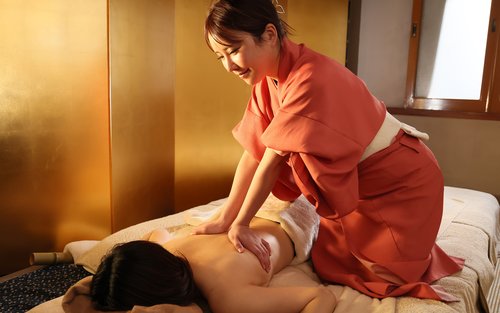
The primary objective of a Japanese Massage is to identify and remove blockages in these energy channels. According to this tradition, when Ki becomes stagnant or imbalanced, it manifests as physical pain, emotional distress, or illness. By applying precise pressure to specific points on the body—known as tsubos—the therapist can stimulate the body’s natural healing mechanisms, restoring the flow of energy and bringing the system back into homeostasis.
From a clinical perspective, Japanese massage is an advanced form of acupressure (you can explore the scientific benefits of acupressure and pressure point therapy via PubMed). By compressing specific points, the therapist stimulates the nervous system, encourages the release of endorphins, and improves blood circulation. This makes it an exceptionally effective treatment for those suffering from chronic fatigue, digestive issues, and stress-related ailments.
Psychologically, the experience of a Japanese Massage is one of profound stillness and mindfulness. The focused, rhythmic nature of the pressure helps to quiet the mind and reduce the activity of the sympathetic nervous system (the “fight or flight” response), inducing a state of deep relaxation and mental clarity.
How is a Japanese Massage Done?
The execution of a Japanese Massage is a disciplined and meditative process. It is characterized by a unique approach to touch and a specific sequence of movements designed to balance the body’s energy.
The Setting and Approach
Traditionally, Shiatsu and other Japanese styles are performed without the use of oils. The client typically remains fully clothed in loose, comfortable attire and is positioned on a firm mat on the floor or a professional massage table. This allows the therapist to use their full body weight to apply precise, vertical pressure, which is essential for penetrating the meridian lines.
The session begins with a period of observation and light touch. The therapist “listens” to the body, feeling for areas of tension or “emptiness” in the energy flow. This intuitive phase ensures that the treatment is tailored to the client’s specific energetic needs at that exact moment.
Core Technical Applications
The therapist employs several specific techniques to manipulate the Ki:
- Vertical Pressure (Compression): The most defining feature of Japanese massage. Using the thumbs, palms, and occasionally elbows, the therapist applies steady, perpendicular pressure to the tsubos. This pressure is held for several seconds and then released, creating a “pumping” effect that moves stagnant energy.
- Rhythmic Kneading: While the focus is on pressure, the therapist also uses gentle kneading movements to soften the muscles and prepare the tissues for deeper acupressure.
- Passive Stretching: To further open the energy channels, the therapist incorporates gentle stretches and joint rotations. This helps in releasing myofascial tension and increasing the range of motion.
- Percussive Tapping: Light, rhythmic tapping is sometimes used to stimulate the surface of the skin and “wake up” the nervous system.
The Systemic Sequence
A professional Japanese Massage follows a systematic path to ensure the entire energy network is addressed.
The session often begins with the posterior chain (the back), where the therapist works along the bladder meridian—one of the most important lines for overall health. They move from the lower back up to the neck, clearing blockages that cause shoulder tension.
The treatment then progresses to the lower extremities, focusing on the points in the feet and legs that correspond to various internal organs. Finally, the session concludes with the cranial region (head and face), which helps in grounding the energy and leaving the client in a state of total revitalization.
Who Can Get a Japanese Massage?
Because of its holistic and non-invasive nature, Japanese Massage is beneficial for a wide variety of individuals.
Chronic Stress Sufferers: For those who feel mentally overwhelmed or suffer from burnout, the energy-balancing nature of Shiatsu helps to reset the nervous system.
People with Insomnia: By stimulating specific points that regulate the sleep-wake cycle, this massage can significantly improve sleep quality and reduce anxiety.
Individuals with Digestive Issues: Since many of the meridians pass through the abdominal area, Japanese massage is excellent for relieving bloating and improving gastrointestinal function.
Those with Joint Stiffness: The combination of acupressure and stretching makes it an ideal choice for people who feel “stiff” and want to regain their flexibility.
Active Travelers: Travelers who experience jet lag or physical fatigue from long journeys find that Japanese massage restores their vitality and clears the mental fog associated with travel.
Where Can I Get a Japanese Massage?
To receive a truly authentic Japanese Massage, it is essential to work with a therapist trained in the precise locations of the tsubos and the flow of Ki. While traditional centers are available, the most luxurious and relaxing option is a professional in-room service.
For those staying in Istanbul and seeking an authentic, energy-balancing experience, Istanbul Hotel Massage provides a premium Japanese Massage service delivered directly to your hotel room. This eliminates the stress of travel and allows you to maintain the state of Zen and deep relaxation immediately after the session. By utilizing a certified therapist in your own private space, you ensure a safe, hygienic, and deeply restorative experience that aligns your body and mind.
View our professional massage therapists.
