 Skip to content
The Complete Guide to Full Body Massage: A Holistic Approach to Total Wellness
What is a Full Body Massage?
A Full Body Massage is a comprehensive therapeutic treatment designed to address the entire musculoskeletal system in a single session. Unlike targeted massages that focus solely on a specific area—such as the lower back or the neck—a full body approach ensures that every major muscle group is treated, promoting a state of systemic relaxation and physical harmony.
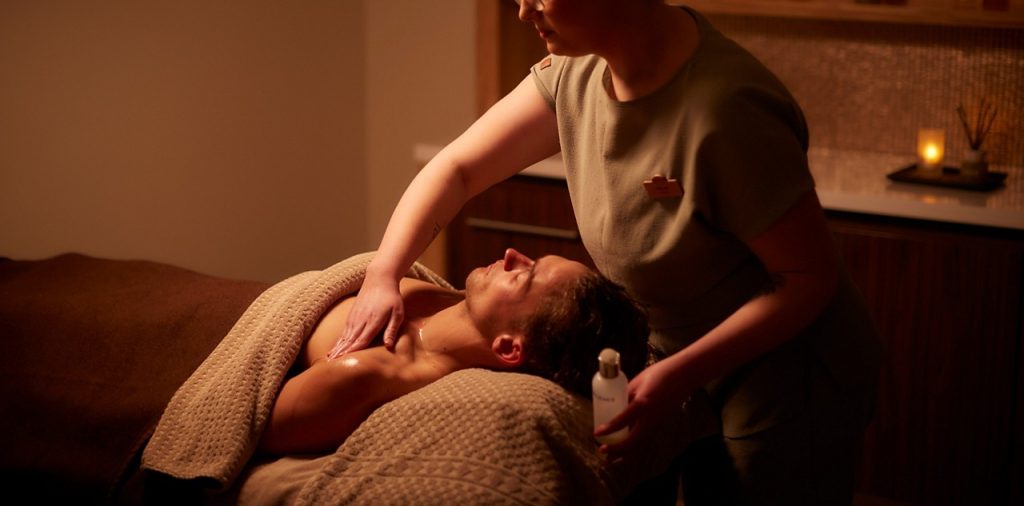
The fundamental philosophy of a Full Body Massage is that the body operates as an interconnected web. Tension in the calves can affect the alignment of the lower back, and stress in the shoulders can lead to tension headaches. By treating the body from head to toe, this modality eliminates localized tension and balances the overall energy and blood flow of the individual. It is the gold standard for those seeking a “total reset” of their physical and mental state.
From a physiological standpoint, this extensive treatment focuses on the manipulation of soft tissues (which you can learn more about through professional massage therapy resources). By applying rhythmic pressure across the entire body, the therapist stimulates the circulatory system, increasing the delivery of oxygenated blood to every extremity. This process accelerates the removal of metabolic waste and reduces the accumulation of lactic acid in the muscles.
Psychologically, the duration and scope of a full body session trigger a profound release of endorphins, serotonin, and oxytocin. These neurochemicals work together to lower heart rate, reduce blood pressure, and virtually eliminate the feeling of anxiety. This makes the Full Body Massage not just a physical luxury, but a critical tool for managing chronic stress and emotional exhaustion.
How is a Full Body Massage Done?
The execution of a Full Body Massage is a disciplined and rhythmic process. Because it covers so much ground, the therapist must manage their time and pressure carefully to ensure that no area is neglected and that the client remains in a state of deep relaxation throughout the session.
The Preparation and Environmental Setup
To achieve maximum efficacy, the session begins with the creation of a sensory sanctuary. This involves dimming the lights, maintaining a warm room temperature, and using calming acoustic elements. The client is positioned on a professional massage table and carefully draped with linens to ensure modesty and warmth.
The therapist then selects a high-quality massage oil or cream. The lubricant is essential not only for reducing skin friction but also for assisting the therapist in performing long, fluid strokes that connect one body part to another, creating a seamless experience.
Core Techniques Used
A full body session typically integrates several classic techniques to achieve different goals:
- Effleurage: These are the long, gliding strokes used to transition between body parts. They warm up the muscles and stimulate lymphatic drainage.
- Petrissage: The therapist uses kneading and squeezing motions to work into deeper muscle layers, breaking up adhesions and releasing chronic tension.
- Friction: Targeted circular movements are used on “knots” or trigger points, particularly in the shoulders and lower back, to restore tissue elasticity.
- Tapotement: Light, rhythmic tapping is used to invigorate the nervous system and improve blood flow to the skin.
The Systemic Sequence of Application
To ensure the body is treated as a whole, the therapist follows a strict anatomical sequence:
The Posterior Chain (Back and Glutes): The session usually begins here, as the back holds the majority of the body’s psychosomatic tension. The therapist works from the sacrum up to the trapezius muscles, focusing on the spine’s alignment.
The Lower Extremities (Legs and Feet): The therapist moves to the legs, working from the ankles upward to the hips. This promotes venous return, helping the blood move back toward the heart and reducing swelling in the lower limbs.
The Upper Extremities (Arms and Hands): The arms are treated from the wrists toward the shoulders. Special attention is given to the hands and palms, which often hold tension from repetitive daily tasks.
The Anterior Chain (Front of Body): Depending on the client’s preference, the therapist may treat the front of the legs, the abdomen (gently), and the chest area to ensure full-body coverage.
The Cervical and Cranial Region (Neck and Head): The session concludes with the neck and scalp. This final stage is the most critical for triggering the relaxation response, as it directly influences the brain’s stress centers.
Who Can Get a Full Body Massage?
The beauty of a Full Body Massage is its universality. It is beneficial for almost every adult, regardless of their fitness level.
The Overworked Professional: For those spending long hours at a desk, this massage corrects the postural imbalances caused by sitting and relieves the mental fog associated with high-stress jobs.
The Active Individual: Athletes and fitness enthusiasts use full body sessions to maintain joint mobility and ensure that no single muscle group becomes overly tight, which prevents injuries.
People with Sleep Disorders: By lowering the levels of cortisol and increasing serotonin, a full body session helps regulate the circadian rhythm and improves sleep quality.
Individuals Seeking Detoxification: Because it stimulates the entire lymphatic system, it is an excellent choice for those looking to reduce water retention and flush toxins from their body.
Where Can I Get a Full Body Massage?
To fully experience the benefits of a Full Body Massage, the environment must be free from distractions. While spas are a common choice, the modern preference is for professional mobile services that bring the spa to the client.
For those visiting Istanbul, Istanbul Hotel Massage provides a premium, professional Full Body Massage delivered directly to your hotel room. This is the ultimate luxury, as it allows you to transition immediately from a state of total relaxation into a deep sleep or a restorative bath without the stress of city traffic. By utilizing a certified therapist in the privacy of your own room, you ensure a safe, hygienic, and deeply personal experience that restores your body’s natural vitality.
